
Leather sofas are designed to provide comfort, durability and a sophisticated appearance. However, even good-quality leather can develop visible damage after years of regular use. Cracks, peeling, fading and worn surfaces are some of the most common problems found on older leather sofas.
For homeowners in Dubai, understanding why this damage happens and dealing with it at the right time can help prevent a small problem from becoming a major restoration project.
Professional leather sofa cracks repair in Dubai can be an effective solution when the sofa is still structurally sound and worth restoring.
Why Does Leather Sofa Leather Crack?
Leather can lose some of its natural flexibility when it becomes dry or is exposed to unsuitable conditions for extended periods.
Several factors can contribute to cracking:
- Regular daily use
- Lack of suitable leather care
- Excessive exposure to sunlight
- Dry indoor conditions
- Frequent friction
- Age of the leather
- Incorrect cleaning products
- Poor-quality surface materials
Cracks often begin as small lines on frequently used areas such as seat cushions, armrests and back cushions. If ignored, they can become more noticeable over time.
What Causes Leather Sofa Peeling?
Peeling is slightly different from cracking. Instead of simply developing lines or splits, the surface layer may begin to deteriorate and separate.
This can happen when the sofa’s surface coating has become worn after years of use. It may also occur because of the type and quality of material used on the furniture.
Peeling is commonly noticed on:
- Seat cushions
- Armrests
- Front edges
- Back cushions
- Frequently touched areas
Once peeling becomes visible, simply cleaning the sofa will not solve the underlying problem. The damaged surface needs to be professionally assessed.
Cracks vs Peeling: What Is the Difference?
Understanding the difference can help you determine what type of repair your sofa may require.
Cracked Leather
Cracking usually appears as visible lines or splits across the surface. The leather may still be attached properly but has lost flexibility and developed surface damage.
Peeling Leather
Peeling occurs when the surface layer starts coming away from the underlying material. It may create patches where the original finish is no longer intact.
Both conditions can affect the appearance of your sofa, but the appropriate repair method depends on the material and severity of the damage.
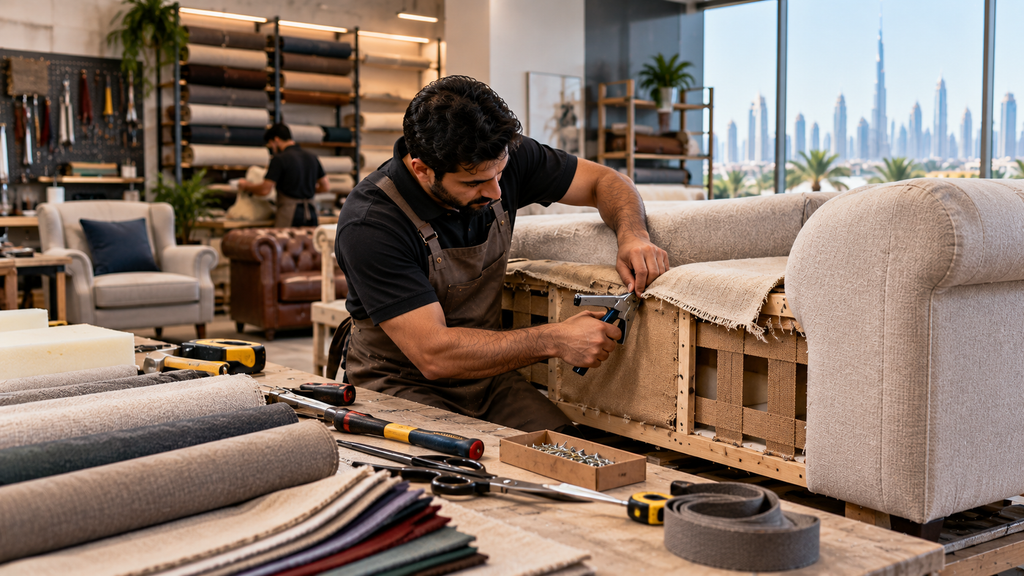
Can a Cracked Leather Sofa Be Repaired?
In many cases, damaged leather can be professionally treated and restored. However, the result depends on several factors, including the type of leather, extent of the damage and overall condition of the sofa.
A professional assessment can determine whether the sofa requires:
- Surface crack treatment
- Leather restoration
- Colour restoration
- Stitching repair
- Damaged section repair
- Cushion replacement
- Partial upholstery
- Complete leather replacement
This is why it is better to assess the sofa before deciding that it needs to be replaced.
Professional Leather Sofa Repair Process
A professional restoration process generally starts with identifying the condition of the leather.
Step 1: Sofa Inspection
The damaged areas are carefully examined to determine whether the problem is cracking, peeling, scratching, fading or another type of surface damage.
Step 2: Damage Assessment
The technician evaluates how extensive the damage is and checks whether the underlying sofa structure and cushions are still in good condition.
Step 3: Surface Preparation
Damaged areas are prepared for treatment so that the repair can be carried out properly.
Step 4: Repair and Restoration
Suitable professional techniques are used according to the type of leather and damage.
Step 5: Colour Matching
If the leather has faded or the repaired area has a different appearance, colour matching can help create a more consistent finish.
Step 6: Final Inspection
The restored sofa is checked to make sure the repaired areas have been properly finished.
When Should You Repair a Cracked Leather Sofa?
Early action can make leather sofa restoration easier.
Consider professional assessment when you notice:
- Small cracks appearing on the seating area
- Peeling around the armrests
- Faded leather colour
- Increasing surface wear
- Damaged stitching
- Scratches becoming deeper
- Dry or rough leather
- Worn cushion surfaces
Waiting until the leather is extensively damaged may limit the available repair options.
Should You Repair or Replace the Sofa?
This depends on the overall condition of the furniture.
If the frame is strong, the cushions are comfortable and the sofa still suits your home, repairing the damaged leather may be a practical option.
A well-built sofa can often remain useful for many years when specific damaged areas are professionally restored.
Replacement may make more sense when the sofa has extensive structural damage, severe deterioration or is no longer suitable for your space.
A professional inspection can help you make this decision based on the actual condition of the sofa.
How to Prevent Leather Sofa Cracks
Proper care can help reduce unnecessary wear.
Keep Direct Sunlight Under Control
Continuous direct sunlight can contribute to fading and surface deterioration. Where possible, position the sofa away from intense direct sunlight.
Use Suitable Cleaning Products
Avoid harsh household chemicals or unsuitable cleaning products. Leather should be cleaned according to the material and manufacturer’s recommendations.
Clean Spills Promptly
Liquid spills should be dealt with quickly to reduce the risk of staining or damage.
Avoid Excessive Friction
Regular rubbing on the same area can accelerate surface wear. Pay particular attention to heavily used seats and armrests.
Maintain the Leather Properly
Suitable leather-care products can help maintain the surface and keep it looking better over time.
Why Professional Leather Sofa Repair in Dubai?
Trying to repair significant leather damage without knowing the material can sometimes make the problem worse.
Professional repair provides several advantages:
- Proper damage assessment
- Suitable restoration techniques
- Better colour matching
- Professional finishing
- Repair of damaged stitching
- Assessment of cushions and structure
- Restoration instead of unnecessary replacement
For valuable or custom-made furniture, professional restoration can be especially worthwhile.
Leather Sofa Repair for Dubai Homes and Offices
Leather sofas are commonly used in homes, villas, offices, reception areas and commercial spaces across Dubai. Because these sofas can receive frequent daily use, visible wear can develop gradually.
Whether the issue is cracked leather, peeling surfaces, faded colour, scratches or damaged stitching, getting the sofa assessed can help you understand the available restoration options.
At Al Bayt Sofa Repair Dubai, professional sofa repair and upholstery solutions are available for different types of furniture damage.
Final Thoughts
Cracks and peeling do not automatically mean that your leather sofa needs to be replaced. The condition of the leather, cushions and frame should be considered before making that decision.
With professional leather sofa cracks repair in Dubai, damaged areas can be assessed and suitable restoration options can be considered. Acting early may also help prevent further deterioration and keep your existing sofa looking presentable for longer.
If your leather sofa is showing cracks, peeling, fading or other signs of wear, a professional assessment is a good first step toward finding the right repair solution.